
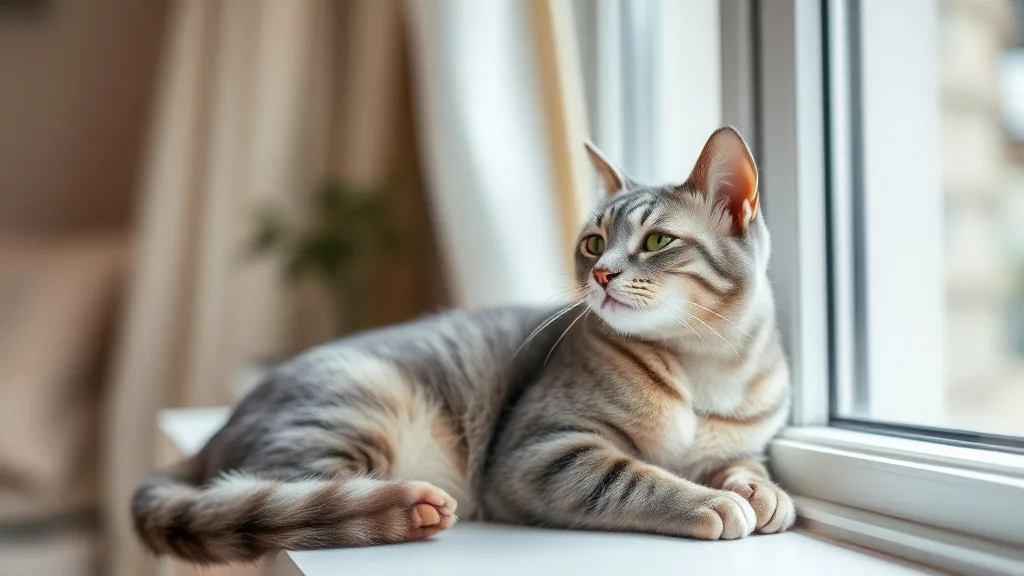
Improving Joint Health in Silvertail Cats Through Vet-Recommended Therapies
If you own a senior Silvertail cat, you’ve likely noticed signs of stiffness, reduced mobility, or reluctance to jump or play—common symptoms of joint discomfort that can significantly impact their quality of life. Older cats often experience arthritis or other degenerative joint conditions, and knowing how to support their joint health through vet-recommended therapies can make all the difference in keeping them active and comfortable.
See also: Managing Arthritis in Silvertail Cats Aged 10+ Through Vet Care
What is Joint Health in Silvertail Cats?
Joint health refers to the condition of the structures that connect bones, including cartilage, ligaments, and synovial fluid, which work together to enable smooth and pain-free movement. In cats around 10 years and older—commonly called Silvertail cats due to their distinctive coloring—joint degeneration is a natural aging process, though some cats may develop arthritis or joint inflammation due to injury, obesity, or genetics.
Common Joint Issues in Senior Cats
- Osteoarthritis (Degenerative Joint Disease): The most common cause of joint pain in older cats, involving cartilage breakdown.
- Joint Inflammation: May result from infections or autoimmune disorders.
- Injury-Related Damage: Past trauma can accelerate joint wear and tear.
Unlike dogs, cats are often masters at masking pain, so subtle signs like decreased jumping, reluctance to use stairs, or increased sleeping should raise red flags for joint discomfort.
How Vet-Recommended Therapies Improve Joint Health
Veterinarians recommend a combination of approaches, focusing on pain management, improving mobility, and supporting joint repair. These therapies often include nutritional adjustments, physical therapies, supplements, and medications when appropriate.
1. Renal-Friendly Nutrition with Joint Support Ingredients
Senior cats often face multiple health issues concurrently, such as kidney concerns, which makes diet especially important. Diets formulated with controlled protein and phosphorus support kidney health, while adding joint-supporting nutrients lowers inflammation and promotes cartilage repair.
- Omega-3 Fatty Acids: Reduce joint inflammation.
- Glucosamine and Chondroitin: Support cartilage repair.
- Antioxidants: Combat oxidative stress which worsens joint degeneration.
For example, a diet tailored to renal and joint health will balance these needs carefully to avoid worsening either condition.
2. Veterinary Physical Therapies
Veterinarians may recommend physical therapies to reduce joint stiffness and improve muscle strength:
- Hydrotherapy: Water-based exercise reduces joint load while encouraging movement.
- Laser Therapy: Stimulates tissue repair and reduces pain and inflammation.
- Massage and Passive Range-of-Motion Exercises: Help maintain flexibility.
These therapies are gentle and low-stress and can be done in the clinic or guided at home.
3. Pain Management and Anti-Inflammatory Medications
Non-steroidal anti-inflammatory drugs (NSAIDs) specifically approved for cats may be prescribed by your vet to manage pain and inflammation. Due to renal sensitivity, these medications require close monitoring and regular blood work to avoid side effects.
4. Supplements and Joint Nutraceuticals
Veterinarians often recommend supplements as adjuncts to therapy:
| Supplement | Role in Joint Health | Administration Forms | Notes on Use |
|---|---|---|---|
| Glucosamine | Cartilage synthesis and repair | Chewables, capsules, powders | Slow acting, benefits over months |
| Chondroitin Sulfate | Cartilage protection | Combined with glucosamine | Works synergistically |
| Omega-3 Fatty Acids | Anti-inflammatory effects | Fish oil, capsules | Can improve coat health too |
| MSM (Methylsulfonylmethane) | Reduces joint pain and oxidative stress | Powders, tablets | Evidence less strong but common |
5. Environmental Adjustments
Although not a therapy per se, modifying your cat’s environment is crucial for joint health:
- Provide easy-access litter boxes with low sides.
- Use ramps or pet stairs to reduce jumping.
- Soft bedding in warm locations helps soothe aching joints.
When to Use These Therapies
Joint health improvement should start as soon as early signs of stiffness or discomfort emerge. Even before clinical arthritis is diagnosed, proactive therapies can delay progression. Common indications include:
- Limping or favoring a limb.
- Reduced jumping or activity levels.
- Changes in grooming habits, especially if the cat stops cleaning a joint area.
- Behavioral signs such as irritability or hiding.
Consult your vet for a full evaluation including physical exams and possibly X-rays to confirm joint issues. Then, a comprehensive joint-support plan can be tailored to your cat’s health status.
Common Pitfalls in Managing Joint Health in Silvertail Cats
- Ignoring Subtle Signs: Cats instinctively hide pain; missing early signs delays intervention.
- Over-reliance on Medication: Pain meds help but should be part of a broader approach including physical therapy and nutrition.
- Using Dog Supplements or Medications: Cats have different metabolisms and sensitivities; always use cat-approved products.
- Skipping Renal Considerations: Many joint supplements can tax kidneys; balances are essential in senior cats prone to kidney disease.
- Neglecting Environmental Needs: Lack of easy access or uncomfortable resting spots exacerbates mobility issues.
Summary Comparison: Physical Therapy vs. Supplements for Silvertail Cat Joint Health
| Feature | Physical Therapy | Supplements |
|---|---|---|
| Mechanism | Improves mobility, muscle strength, reduces stiffness | Supports cartilage function, reduces inflammation |
| Time until noticeable effects | Weeks to months | Months |
| Requirements | Vet guidance, sometimes clinic visits, owner time investment | Easier to administer daily at home |
| Safety | Generally very safe when tailored | Potential interaction with kidney issues |
| Impact on pain | Can reduce stiffness and improve comfort | Slows progression, mild pain relief |
| Cost considerations | May be costly depending on frequency | Usually affordable, ongoing costs |
Frequently Asked Questions
Q: How can I tell if my Silvertail cat has joint pain or arthritis?
A: Look for signs like reduced jumping, limping, stiffness after resting, reluctance to move, changes in grooming habits, and noticeable changes in behavior such as irritability or hiding. A vet exam is necessary for diagnosis.
Q: Are joint supplements safe for cats with kidney issues?
A: Some supplements are safe when used properly, but kidney function must be monitored closely. Always discuss with your vet before starting supplements to avoid extra strain on kidneys.
Q: Can physical therapy be done at home or only in clinics?
A: Many physical therapy exercises, such as gentle massage and passive range-of-motion movements, can be done at home once taught by a vet or rehab specialist. Some therapies like hydrotherapy require clinical equipment.
Supporting your Silvertail cat’s joint health with a thoughtful combination of vet-approved therapies can keep them feeling comfortable and active well into their senior years. Starting early, combining nutrition, physical therapy, and pain management, and ensuring an accessible, loving environment creates the foundation for healthier, happier golden years.
Our picks worth a closer look
- Longevity+ Dog Health Supplement - Dog Vitamins and Supplements for Joint, MusclCheck on Amazon → — see current price and specs.
- Неmp Oil for Dogs Cats (2 Packs), Organic Pet Calming Drops Anxiеty Relief & StrCheck on Amazon → — see current price and specs.
- Pawvotum Glucosamine for Cats, Pet vitamins and supplements with Chondroitin, MSCheck on Amazon → — see current price and specs.
- Pet Неmр Oil for Dogs and Cats 2 Packs, Organic Oil for Anxiеty Strеss Pαin HoliCheck on Amazon → — see current price and specs.
- RiRywony Health 2 Pack Hemp Oil for Dogs & Cats- Helps Pets with Аnxiety, Pаin, Check on Amazon → — see current price and specs.