
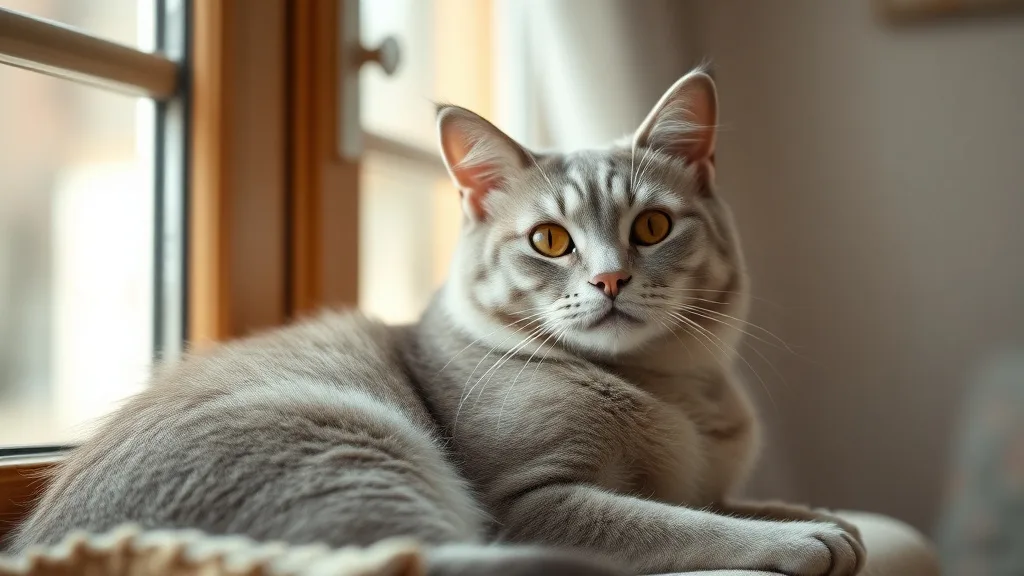
Nutritional Supplements Supporting Renal Function in Senior Silvertail Cats
If you own a senior cat (10 years or older), you may have already encountered early signs of kidney stress or chronic kidney disease (CKD)—a common ailment affecting feline seniors. The challenge is to support their renal function gently and effectively without overloading their bodies, especially since senior cats often have multiple health concerns. Nutritional supplements can be a valuable part of your cat’s care routine, but understanding which ingredients actually support kidney health and how to properly integrate them is key.
This article breaks down what renal-supportive supplements are, how they work, when you should consider them, and the common pitfalls to avoid. You’ll also find a comparison table to help you weigh options and make a clear, informed choice to support your silvertail’s health.
See also: Renal Diet Plans Tailored for Silvertail Cats Aged Ten and Older
What Are Renal Nutritional Supplements for Senior Cats?
Renal nutritional supplements are specifically designed to reduce the workload on the kidneys, slow progression of kidney dysfunction, and improve quality of life. These supplements often include ingredients that support kidney cells, normalize blood chemistry, and reduce the build-up of toxins that impaired kidneys cannot efficiently remove.
Key types of ingredients in these supplements include:
- Phosphorus binders that reduce phosphorus in the bloodstream, since high phosphorus accelerates kidney damage.
- Omega-3 fatty acids that reduce kidney inflammation.
- Antioxidants like vitamins E and C to combat oxidative stress in renal cells.
- Amino acids such as L-carnitine and taurine that support kidney metabolism.
- B-complex vitamins to address deficiencies common in kidney disease.
- Herbal extracts (less common but sometimes used) aimed at inflammation or diuresis.
Supplements don’t replace a renal-friendly diet but often complement it by targeting specific nutritional gaps or adding protective agents.
How Do These Supplements Support Kidney Function?
The kidney’s main job is filtering and excreting waste products, balancing electrolytes, and regulating blood pressure. Aging or diseased kidneys become inefficient, allowing toxins and minerals, like phosphorus, to build up to harmful levels.
Here’s how the different supplement ingredients support renal function:
-
Phosphorus Binders: When dietary phosphorus is limited but blood phosphorus remains high, binders attach to phosphorus in the gut, preventing absorption and lowering serum levels. This delays CKD progression and bone complications.
-
Omega-3 Fatty Acids (EPA & DHA): These long-chain fatty acids reduce inflammation in kidney tissues. Chronic inflammation exacerbates kidney damage, so supplementing omega-3s helps mitigate this.
-
Antioxidants: Oxidative stress contributes to kidney tissue injury. Vitamins E and C neutralize free radicals produced by damaged cells improving cellular longevity.
-
Amino Acids (L-carnitine, Taurine): These compounds are important for renal metabolism and cellular repair. Taurine is also essential for cats’ cardiac and retinal health, which can be compromised with CKD.
-
B-complex Vitamins: Kidney disease can cause loss of water-soluble vitamins during increased urination, so replenishing these supports energy metabolism and nerve function.
When Should You Consider Renal Supplements for Your Senior Cat?
Supplements can be useful in the following scenarios:
- Early signs of CKD: If a vet diagnoses early-stage kidney disease, supplements can be used alongside a prescription renal diet to slow progression.
- Elevated phosphorus levels: When blood tests show phosphorus creeping above normal, and diet alone is insufficient.
- Loss of appetite or weight: Some supplements help improve palatability or nutrient absorption.
- Preventive care: For high-risk breeds or cats with a family history of renal issues, some owners use supplements proactively after consulting their vet.
- Post-illness recovery: Cats recovering from acute kidney injury can benefit from antioxidant and amino acid support.
Common Pitfalls When Using Renal Supplements
- Choosing supplements without vet guidance: Kidney disease is complex; inappropriate supplementation can worsen imbalances.
- Ignoring diet: Supplements should not replace a renal-friendly diet; both work best together.
- Over-supplementation: Excess phosphorus binders or vitamins can cause side effects.
- Poor supplement quality: Low-quality supplements might contain harmful fillers or inaccurate dosing.
- Using human supplements: Some ingredients safe for humans can be toxic to cats.
Always share your supplementation plan with your vet, monitor bloodwork regularly, and adjust as needed.
Comparison Table: Key Renal Supplement Ingredients for Senior Cats
| Ingredient | Primary Benefit | Best For | Potential Downsides | Typical Administration |
|---|---|---|---|---|
| Phosphorus Binders | Reduce phosphorus absorption, slow CKD | Cats with hyperphosphatemia | Constipation if overdosed | Oral chewables, powders mixed in food |
| Omega-3 Fatty Acids | Anti-inflammatory, supports kidney tissue | Cats with renal inflammation | Fishy odor, poor palatability | Capsules, liquid oils |
| Vitamin E & C | Antioxidant protection against oxidative damage | Cats with oxidative stress | Overdosing rare, but possible | Tablets, powders, liquid drops |
| L-carnitine & Taurine | Supports energy metabolism and kidney repair | Cats with kidney metabolism issues | Rare taurine deficiency possible if omitted | Combined supplements or standalone |
| B-complex Vitamins | Replenishment of water-soluble vitamins | Cats with CKD polyuria leading to vitamin loss | No known toxicity at recommended doses | Oral supplements, injections in severe cases |
How to Integrate Renal Supplements Into Your Cat’s Care Routine
Step 1: Confirm Kidney Health Status
Before starting any supplement, get a thorough veterinary examination including blood and urine tests to understand your cat’s kidney function.
Step 2: Choose Targeted Supplements
Based on your cat’s specific blood chemistry and health issues, decide which supplements address the identified needs (e.g., high phosphorus, inflammation, decreased appetite).
Step 3: Start Low and Observe
Introduce supplements gradually to monitor tolerance and side effects. Watch for changes in appetite, stool consistency, or behavior.
Step 4: Coordinate with Diet
Ensure your cat’s diet is optimized for renal health—this usually means low protein but high-quality protein, restricted phosphorus, and adequate hydration.
Step 5: Regular Monitoring
Schedule follow-up tests every 3-6 months to adjust doses or add/remove supplements based on progress.
Frequently Asked Questions
Q: Can I give my senior cat human renal supplements?
A: No, human supplements often contain ingredients or dosages unsafe for cats. Always use products formulated specifically for felines or recommended by your vet.
Q: Are phosphorus binders necessary if the diet is low in phosphorus?
A: Sometimes yes. Even with a low-phosphorus diet, some cats retain high blood phosphorus, so binders help control absorption from any other sources.
Q: How long before I see improvements after starting supplements?
A: Improvements may be subtle and take weeks or months. Regular vet monitoring helps assess effectiveness, as supplements primarily slow disease progression rather than cure.
Our picks worth a closer look
- Pawvotum Glucosamine for Cats, Pet vitamins and supplements with Chondroitin, MSCheck on Amazon → — see current price and specs.
- 2Pack Hemp Oil for Dogs & Cats, Anxiety & Stress Relief Drops with Omega 3-6-9,HCheck on Amazon → — see current price and specs.
- Royal Canin Aging 12+ Dry Cat Food 7 lbCheck on Amazon → — see current price and specs.
- Feliway Classic Starter Kit Plug-In Diffuser and Refill 48mlCheck on Amazon → — see current price and specs.
- PetSafe Drinkwell Platinum Pet Water Fountain 168ozCheck on Amazon → — see current price and specs.