
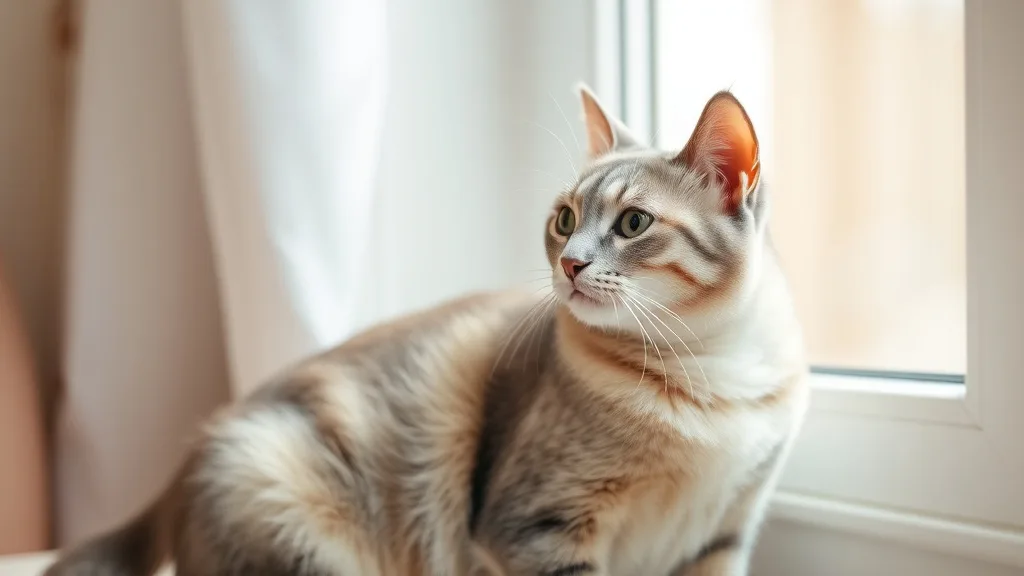
Vet Care Essentials for Silvertail Cats Facing Arthritis Challenges
Arthritis in senior cats, commonly aged 10 years and older, presents a unique set of challenges for their health and comfort. As your silvertail cat begins to slow down, you may notice stiffness, difficulty jumping, or reluctance to move. These signs can indicate painful joint inflammation that requires dedicated, ongoing vet care. Managing arthritis effectively means balancing pain relief, joint mobility support, nutritional adjustments, and creating an accessible home environment to maintain your cat’s quality of life.
See also: Managing Arthritis in Silvertail Cats Aged 10+ Through Vet Care
What Is Arthritis in Senior Cats?
Arthritis is a chronic condition involving inflammation and degeneration of the joints. In cats, osteoarthritis is most common, often affecting the hips, knees, spine, and shoulders. As cartilage wears away with age or injury, bones can rub directly against each other, causing pain, stiffness, swelling, and reduced mobility.
Unlike dogs, cats can be subtle in showing discomfort; they may simply stop jumping to favorite spots, groom less, or become less active — behaviors easily mistaken for “normal aging.” Understanding arthritis’s underpinnings helps guide the right vet care essentials for your silvertail cat.
How Arthritis Impacts Silvertail Cats
Arthritic cats often display a combination of:
- Decreased movement or reluctance to jump
- Stiff or limping gait
- Changes in grooming habits, leading to dull or matted fur
- Hiding or withdrawing due to discomfort
- Difficulty using the litter box if access involves climbing or jumping
Chronic pain can reduce your cat’s enjoyment and quality of life, so sensitive, comprehensive vet care is vital.
Vet Care Essentials: How It Works
1. Early Diagnosis and Regular Monitoring
Veterinarians diagnose arthritis based on clinical signs and may use X-rays or joint fluid analysis to assess the extent of joint damage. Early diagnosis allows interventions before severe cartilage loss or pain develop.
- Schedule regular geriatric check-ups every 6-12 months.
- Report any subtle changes in activity or behavior to your vet.
- Consider periodic imaging to track disease progression.
2. Renal-Friendly Nutrition Tailored for Arthritis
Many senior cats face both arthritis and early-stage kidney disease. Kidney-friendly diets reduce phosphorus and protein load to preserve renal function but must also support joint health.
A balanced renal-friendly diet for arthritic cats typically:
- Includes omega-3 fatty acids (fish oil) to reduce inflammation.
- Provides antioxidants to combat oxidative stress.
- Maintains moderate protein levels to support muscle without overloading kidneys.
- Contains joint-supporting nutrients like glucosamine and chondroitin.
Consult your vet to find a diet meeting both renal and joint care needs, and avoid abrupt changes to prevent digestive upset.
3. Pain Management and Anti-Inflammatories
Veterinary-prescribed pain relief improves mobility and quality of life. Options include:
- Non-steroidal anti-inflammatory drugs (NSAIDs) designed for cats
- Gabapentin or other neuropathic pain medications
- Joint supplements containing glucosamine, chondroitin, or omega fatty acids
Do not give over-the-counter or human pain meds without vet approval, as many can be toxic to cats. Regularly monitor for side effects like appetite loss or lethargy.
4. Supporting Joint Mobility Through Physical Care
Maintaining muscle tone and joint flexibility reduces stiffness:
- Gentle massage and passive range-of-motion exercises, demonstrated by your vet or a trained pet physiotherapist
- Short, low-impact play sessions to encourage movement without overexertion
- Application of warm compresses to soothe aching joints
Avoid forcing exercise or strenuous activity, as this can cause flare-ups.
5. Optimizing Litter Box Accessibility
Arthritic cats may struggle to step into high-sided litter boxes or climb ramps. Evaluate litter preferences and box placement:
- Use a low-entry litter box with easy access.
- Position boxes on every floor of a multi-story home.
- Keep litter clean and odor-free to encourage use.
- Try softer, dust-free litter to minimize paw discomfort.
Making such adjustments reduces stress and encourages consistent litter habits.
6. Low-Stress Vet Visits
Senior cats with arthritis can experience pain and anxiety during transport and examination. To reduce stress:
- Use soft, padded carriers and cover them with a towel to limit visual stimuli.
- Schedule appointments during quiet clinic hours if possible.
- Request gentle handling and pain-aware examination techniques.
- Discuss at-home injection options or telemedicine follow-ups if vet visits cause excessive distress.
7. Preparing for End-of-Life Comfort Care
Arthritis is progressive, and some cats eventually need more intensive comfort care:
- Work with your vet to adjust medications as mobility decreases.
- Use orthopedic bedding with memory foam or heating pads to reduce joint pain.
- Maintain a calm, familiar environment.
- Know the signs of significant pain or distress warranting humane euthanasia decisions.
Honest conversations with your vet help ensure your cat’s dignity and comfort in their senior years.
Comparison Table: Key Arthritis Vet Care Components for Silvertail Cats
| Care Aspect | Benefits | Implementation Tips | Potential Pitfalls |
|---|---|---|---|
| Renal-Friendly Nutrition | Supports kidney function and reduces inflammation | Transition diets slowly; add supplements if vet-approved | Sudden diet changes can cause GI upset; some supplements may burden kidneys |
| Pain Management | Improves quality of life and mobility | Use vet-prescribed meds only; monitor side effects | Overuse or wrong meds can cause toxicity or dull senses |
| Physical Therapy | Maintains flexibility and muscle tone | Learn exercises from professionals; use warm compresses | Excessive exercise can worsen joints |
| Litter Box Modifications | Increases accessibility; reduces stress | Ensure boxes have low entry and are clean; place on each level | Ignoring litter changes can lead to accidents |
| Low-Stress Vet Visits | Reduces fear and pain during care | Use padded carriers; schedule quiet visits; gentle handling | Failure to reduce stress may worsen arthritis symptoms |
| End-of-Life Planning | Ensures comfort and dignity | Use orthopedic bedding; monitor pain closely | Delaying conversations may prolong suffering |
When to Use These Vet Care Essentials
Apply these vet care essentials as soon as you observe signs of joint stiffness or mobility issues in your silvertail cat, ideally at the first senior vet exam. Early intervention yields better outcomes and allows for a phased approach tailored to your cat’s changing needs over time. Maintaining regular communication with your vet ensures the care plan evolves alongside your cat’s arthritis progression.
Common Pitfalls to Avoid
- Ignoring subtle signs of arthritis: Cats hide pain; delayed diagnosis worsens joint damage.
- Using over-the-counter pain meds without vet input: Many common painkillers are harmful to cats.
- Neglecting diet adjustments: Unbalanced nutrition strains kidneys and joints.
- Over-exercising or rough handling: Can increase pain and discourage movement.
- Neglecting litter box accessibility: Leads to accidents and stress.
- Failing to prepare for end-of-life care: Missing opportunities for humane comfort.
Consistent, informed vet care avoids these pitfalls and fosters the best life possible for your aging silvertail.
Frequently Asked Questions
Q: How can I tell if my silvertail cat has arthritis?
A: Look for signs like reduced jumping, stiffness, limping, less grooming, or hiding. A vet exam with imaging confirms diagnosis.
Q: Are there safe pain medications for senior cats with arthritis?
A: Yes, vets can prescribe cat-specific NSAIDs or other pain relievers. Never give human meds without veterinary guidance.
Q: What changes should I make at home for my arthritic cat?
A: Provide low-entry litter boxes, orthopedic bedding, easy access to food and water, and gentle exercise opportunities to reduce pain and stress.
Our picks worth a closer look
- 2Pack Hemp Oil for Dogs & Cats, Anxiety & Stress Relief Drops with Omega 3-6-9,HCheck on Amazon → — see current price and specs.
- Longevity+ Dog Health Supplement - Dog Vitamins and Supplements for Joint, MusclCheck on Amazon → — see current price and specs.
- Неmp Oil for Dogs Cats (2 Packs), Organic Pet Calming Drops Anxiеty Relief & StrCheck on Amazon → — see current price and specs.
- Pawvotum Glucosamine for Cats, Pet vitamins and supplements with Chondroitin, MSCheck on Amazon → — see current price and specs.
- Pet Неmр Oil for Dogs and Cats 2 Packs, Organic Oil for Anxiеty Strеss Pαin HoliCheck on Amazon → — see current price and specs.