
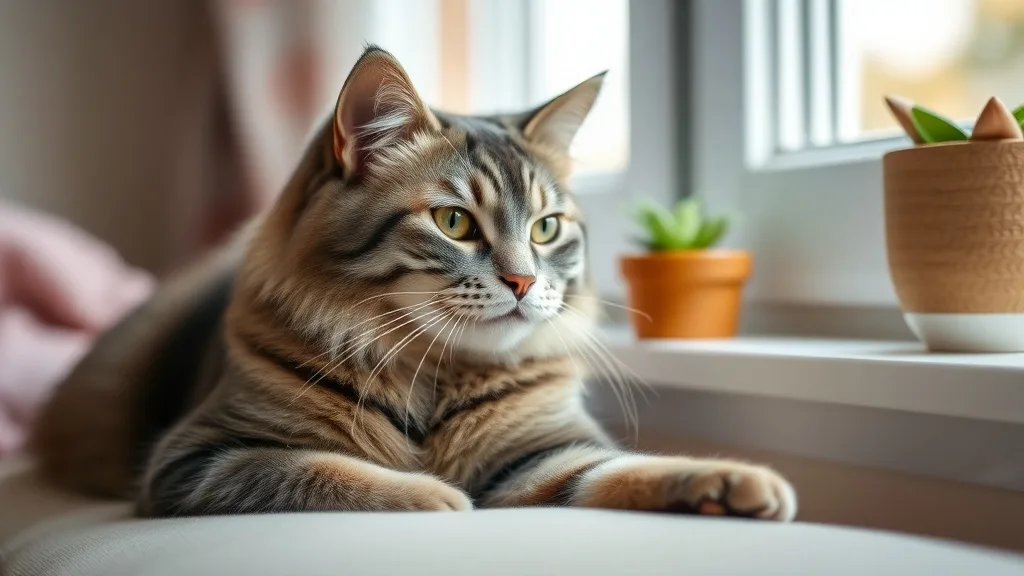
Veterinary Nutrition Tips for Silvertail Cats with Renal and Thyroid Issues
If you have a senior cat—particularly one with the distinguished silver sheen of age, a “silvertail”—and have recently been navigating the complexities of both kidney (renal) and thyroid health issues, you’re facing a delicate balancing act. Renal disease often calls for restricted protein and phosphorus levels, while hyperthyroidism typically increases metabolism and appetite, complicating nutritional management. This guide unpacks essential veterinary nutrition principles tailored for cats with these coexisting conditions, helping you support your feline’s health and comfort without guesswork or overhype.
What You’re Dealing With: Renal and Thyroid Challenges in Senior Cats
Before digging into nutrition, it’s crucial to understand the conditions:
-
Chronic kidney disease (CKD): Common in senior cats, CKD results in diminished kidney function affecting waste filtration and fluid balance. Poor kidney function often requires limiting dietary protein and phosphorus to reduce kidney workload and slow disease progression.
-
Hyperthyroidism: A frequent endocrine disorder in older cats, hyperthyroidism causes excess thyroid hormone production, speeding up metabolism. This often results in weight loss, increased appetite, and overactive organ function. Unlike CKD, it may require increased caloric intake and nutrient-dense foods.
When these two diagnoses overlap, balancing dietary needs becomes an exercise in compromise to maintain overall health and quality of life.
See also: Renal Diet Plans Tailored for Silvertail Cats Aged Ten and Older
How Veterinary Nutrition Supports Dual CKD and Thyroid Management
Veterinary nutrition strategies aim to:
- Protect kidney function through moderated protein sources and controlled phosphorus.
- Support thyroid-induced metabolic demands by ensuring adequate calories and managing weight loss.
- Maintain hydration and electrolyte balance since both conditions disrupt fluid homeostasis.
- Promote palatability and ease of eating to overcome reduced interest due to illness and ensure consistent nutrient intake.
Proper feeding reduces the risk of complications such as muscle wasting, dehydration, and further renal damage.
Key Nutritional Components to Focus On
1. Protein Quality and Quantity
Not all proteins are equal for a cat with CKD and thyroid issues:
- Moderate protein intake: Avoid very high protein to reduce kidney strain, but ensure enough high-quality protein to preserve muscle mass accelerated by hyperthyroidism.
- High biological value proteins: Eggs, poultry, and fish proteins provide essential amino acids with less metabolic waste.
- Avoid low-quality or plant-based proteins: These are harder to digest and generate more nitrogenous waste the kidneys must filter.
2. Phosphorus Restriction
Kidneys regulate phosphorus; CKD impairs this function, leading to dangerous buildup and further kidney damage. A diet low in phosphorus is critical:
- Aim for phosphorus content of less than 0.4% on a dry matter basis.
- Use veterinary-formulated foods or consult your vet to ensure proper phosphorus control.
3. Caloric Density and Feeding Frequency
Hyperthyroid cats have high energy demands due to increased metabolism:
- Higher caloric density: Nutrient-rich, calorie-dense food prevents rapid weight loss.
- Small, frequent meals: Encourages intake without overwhelming the cat’s digestive system.
- Adjust portion sizes to your cat’s current weight and monitor body condition closely.
4. Fat Content
Moderate fat supports increased caloric requirements without overtaxing the kidneys:
- Includes healthy fats like omega-3 fatty acids which may also reduce renal inflammation.
- Avoid excessive fat, which can cause gastrointestinal distress in sensitive cats.
5. Hydration and Moisture
Both CKD and thyroid disease may cause dehydration:
- Offer moist food (canned or fresh-prepared) to increase water intake.
- Consider multiple water bowls or pet fountains to encourage drinking.
- Monitor for signs of dehydration regularly.
Practical Feeding Tips for the Silvertail Cat
- Use veterinary prescription renal diets cautiously: Some formulas with restricted protein may not adequately meet hyperthyroid cats’ energy needs.
- Consider home-cooked or commercial renal/thyroid compatible foods: Combining advice from your vet and a feline nutritionist can custom-tailor meals.
- Slow introduction of dietary changes: Introduce new foods gradually over 7-10 days to avoid gastrointestinal upset and assess tolerance.
- Monitor appetite and weight weekly: Record intake and weigh-ins to adjust feeding plans dynamically.
- Encourage easy access to food: Senior cats may have joint stiffness; provide low-sided bowls and place them in quiet, accessible locations.
Comparison: Nutritional Priorities for CKD vs. Hyperthyroidism (When Both Occur)
| Nutritional Aspect | Chronic Kidney Disease (CKD) | Hyperthyroidism | Balanced Approach for Both Conditions |
|---|---|---|---|
| Protein | Moderate to low; emphasis on quality | Moderate to high; support increased metabolism | Moderate, high-quality protein in digestible forms |
| Phosphorus | Strictly restricted (<0.4% dry matter basis) | No specific restriction | Low phosphorus to protect kidneys |
| Calories | Moderate; avoid obesity | High; prevent rapid weight loss | Moderate to high caloric density to maintain weight |
| Fat | Moderate; focus on omega-3 fatty acids | Moderate to high | Moderate, healthy fats to support energy without distress |
| Moisture | High to maintain hydration | High due to increased metabolic water loss | High moisture content; canned food preferred |
| Feeding Frequency | 2-3 small meals daily | Multiple small meals / free feeding possible | Small, frequent meals to encourage stable intake |
This table summarizes the sometimes competing nutritional demands and helps guide adjustments.
Common Pitfalls to Avoid
- Over-restricting protein: While it’s important to reduce protein for CKD, excessive limitation can accelerate muscle loss, especially with hyperthyroidism’s catabolic effects.
- Ignoring hydration needs: Dry kibble alone is generally insufficient; moist food and fresh water are vital.
- Relying solely on commercial diets: Sometimes commercial renal or thyroid diets fail to address combined issues adequately; always consult your vet for cocktail-tailored guidance.
- Not monitoring body condition: Regular weight checks and observing muscle mass help detect nutritional issues early.
- Forgetting medication-food interactions: Some thyroid or kidney medications interact with food minerals or timing; always coordinate feeding with medication schedules.
Final Thoughts
Successfully managing a silvertail cat’s nutrition amidst renal and thyroid disease challenges requires thoughtful balance, ongoing observation, and frequent collaboration with your veterinarian. Focus on quality protein, phosphorus control, caloric adequacy, and hydration while adjusting feeding patterns for your cat’s preferences and tolerance. Thoughtful management can enhance your cat’s comfort, slow disease progression, and help maintain their dignified silvery grace into their senior years.
Frequently Asked Questions
Q: Can I feed my cat a homemade diet instead of prescription renal food?
A: Yes, with veterinary approval and guidance from a feline nutrition expert, homemade diets can be tailored to balance renal and thyroid needs. Avoid doing so without professional input to prevent nutritional imbalances.
Q: How can I tell if my cat is drinking enough water?
A: Monitor urine volume and color, watch for signs of dehydration such as dry gums or lethargy, and encourage drinking by offering multiple water sources. Consult your vet if you suspect dehydration.
Q: Are senior cats with CKD and hyperthyroidism prone to weight loss even on proper diets?
A: Yes. Both conditions promote muscle and weight loss, so regular monitoring and nutritional adjustments are critical to manage and slow progression. If rapid weight loss occurs, consult your veterinarian promptly.
Our picks worth a closer look
- 2Pack Hemp Oil for Dogs & Cats, Anxiety & Stress Relief Drops with Omega 3-6-9,HCheck on Amazon → — see current price and specs.
- Неmp Oil for Dogs Cats (2 Packs), Organic Pet Calming Drops Anxiеty Relief & StrCheck on Amazon → — see current price and specs.
- Pawvotum Glucosamine for Cats, Pet vitamins and supplements with Chondroitin, MSCheck on Amazon → — see current price and specs.
- Pet Неmр Oil for Dogs and Cats 2 Packs, Organic Oil for Anxiеty Strеss Pαin HoliCheck on Amazon → — see current price and specs.
- RINGCO Pet Heating Pad for Cats & Small Dogs with 12 Adjustable Temperature, WatCheck on Amazon → — see current price and specs.